Ball Valve and Plug Valve: Comprehensive Comparison Analysis
Ball Valve and Plug Valve: Comprehensive Comparison Analysis
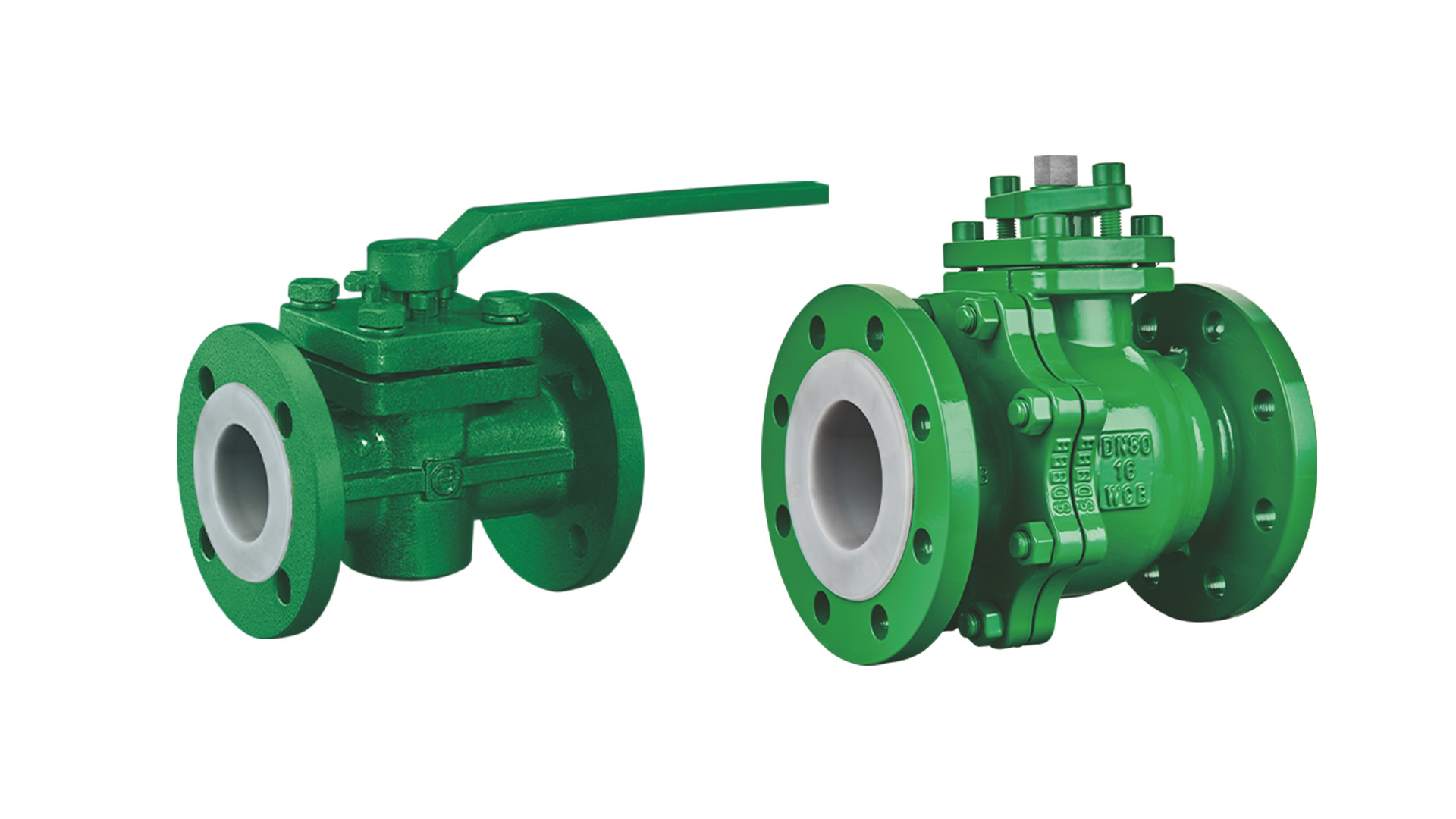
The main differences between ball valves and plug valves lie in their structure, working principle, operation mode, flow control, sealing performance, and application scenarios.
1. Structural Differences
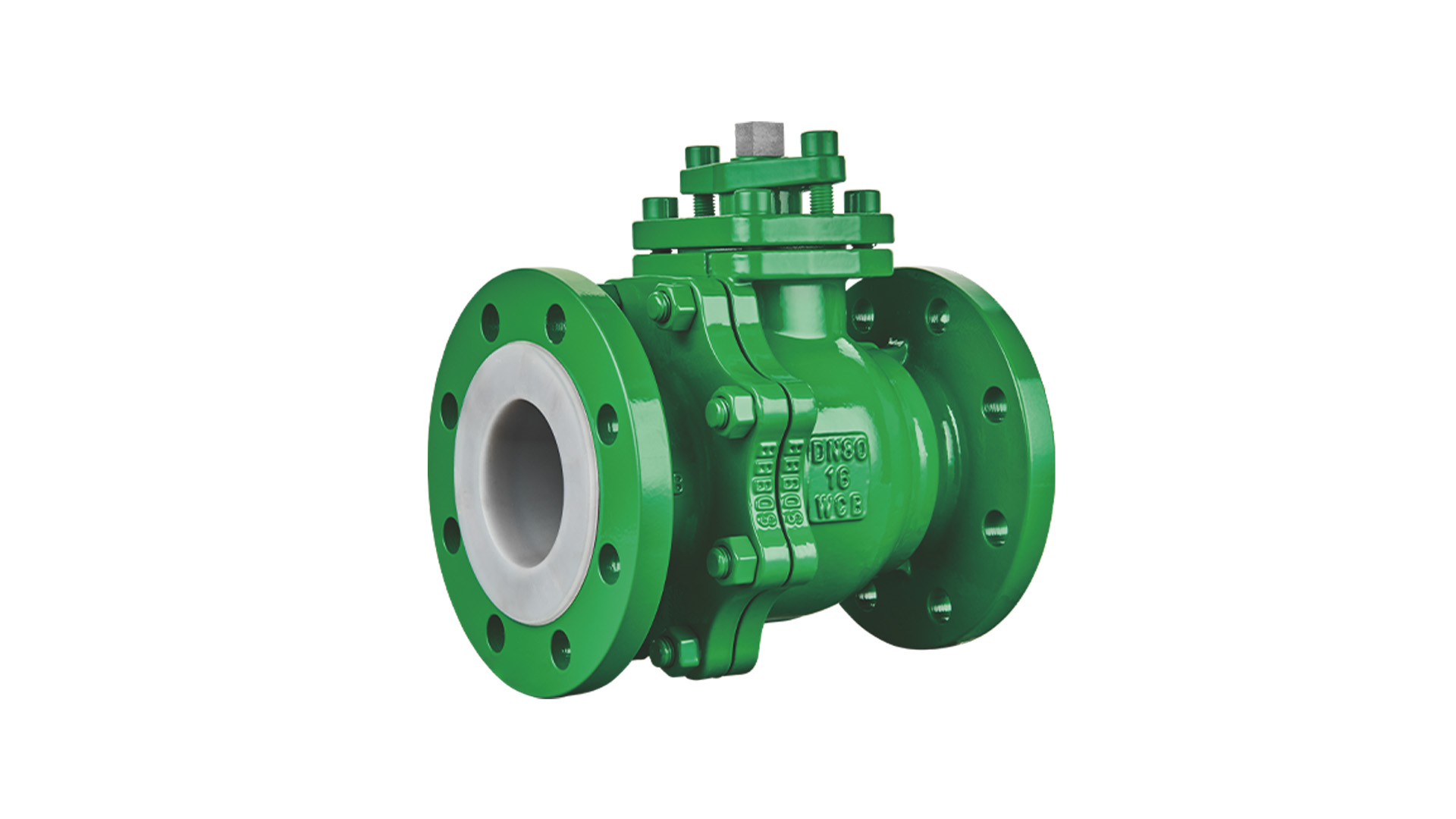
The ball valve evolved from the plug valve. Its opening and closing element is a ball, which achieves opening and closing by rotating 90° around the axis of the valve stem. The ball valve has a relatively simple structure, consisting of a spherical valve body and a passage through the ball.
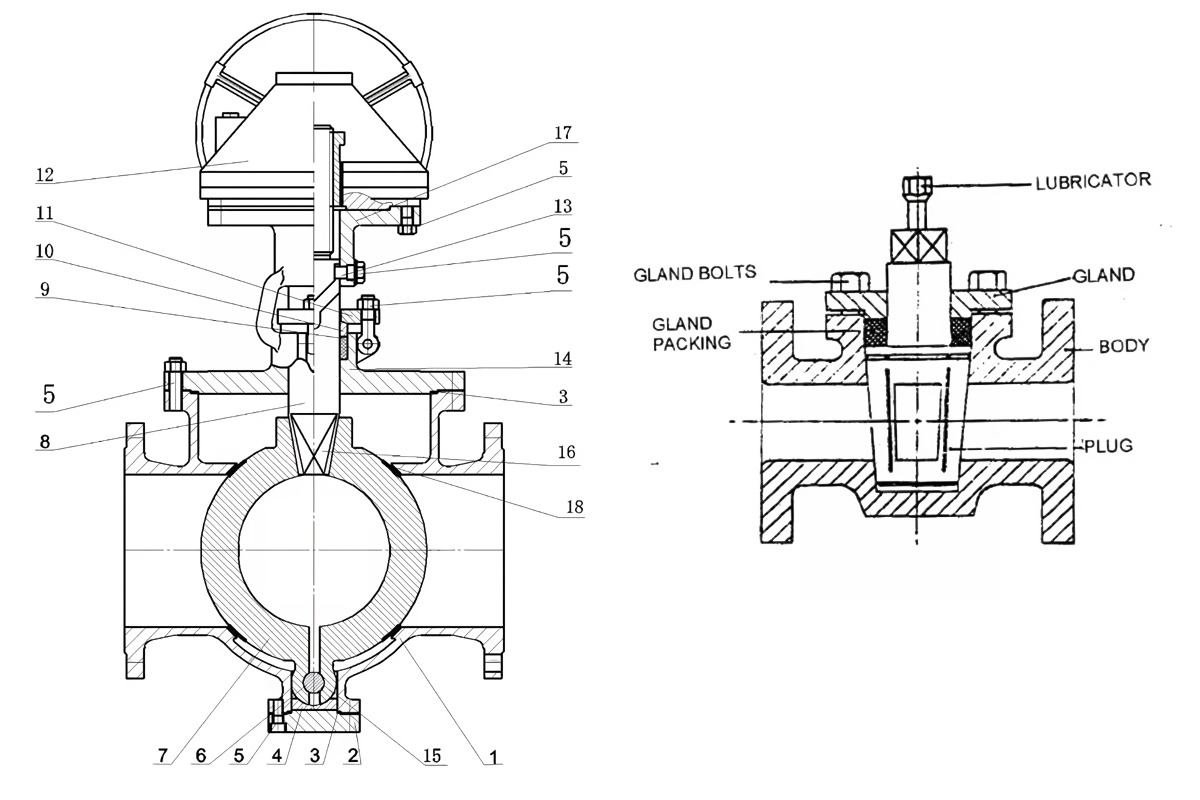
The plug valve has a plug-shaped rotary closing member. By rotating 90°, the passage opening on the plug is aligned with or separated from the passage opening on the valve body. The plug valve has a relatively complex structure, consisting of the valve body, bonnet, plug, seat, and stem.
II. Working Principle
The working principle of the ball valve is to control the opening and closing of the fluid by rotating the ball. When the ball rotates into contact with the valve seat, a seal is formed to prevent fluid leakage. When the ball rotates away from the valve seat, the fluid can flow through the passage within the valve body.
The working principle of the plug valve is to open or close the passage by rotating the plug. The plug rotates with the valve stem to achieve opening and closing action. The opening and closing element of the plug valve is a tapered plug with a hole, and the fluid passage is perpendicular to the axis of the plug.
III. Different Operation Methods
The operation method of the ball valve is relatively simple, usually requiring only a 90-degree rotation to complete the opening and closing action. The design of the ball valve allows the fluid passage to open or close quickly after the ball rotates 90 degrees, making operation convenient and rapid. In addition, the ball valve has excellent sealing performance, especially in the fully open or fully closed position, with low fluid resistance, making it suitable for applications requiring quick opening and closing.
The operation of the plug valve is relatively more complex, requiring multiple rotations to complete the opening and closing action. The plug of the plug valve is typically cylindrical or conical in shape, and fluid flow is controlled through rotation. Due to its structural characteristics, the plug valve performs well in flow regulation and can precisely control the diameter of the fluid passage, but it is not suitable for frequent operation.
IV. Different Flow Control
The main difference between ball valves and plug valves in flow control is that plug valves perform better in flow regulation, while ball valves have relatively poorer flow regulation performance.
Due to its structural characteristics, the plug valve can precisely control the diameter of the fluid passage, thereby achieving precise flow regulation. In contrast, while the ball valve can also adjust the opening degree through rotation, it is not as flexible as the plug valve.
V. Different Sealing Effects
The sealing performance of ball valves is theoretically slightly inferior to that of plug valves. However, with technological improvements, the sealing effect of ball valves has been increasingly enhanced, and their scope of application has gradually expanded.
Plug valves have relatively good sealing performance and typically feature multiple sealing designs, making them suitable for applications with high sealing requirements. Ball valves have a simple structure, light weight, small size, and are more convenient to use. Plug valves have a complex structure but offer quick opening and closing and low fluid resistance.
VI. Different Applicable Occasions
Ball valves are widely used in industries such as petroleum, chemical, papermaking, and pharmaceuticals, and are suitable for application scenarios that require quick opening or closing.
Plug valves are widely used in oilfield extraction, transportation, and refining equipment, and are suitable for application scenarios that require precise flow control and good sealing performance.
Therefore, when selecting a valve, comprehensive consideration should be given to different occasions, media, operating conditions, and other factors to choose the appropriate valve.