Related Reading
You may also be interested in
Same category, fresh insights
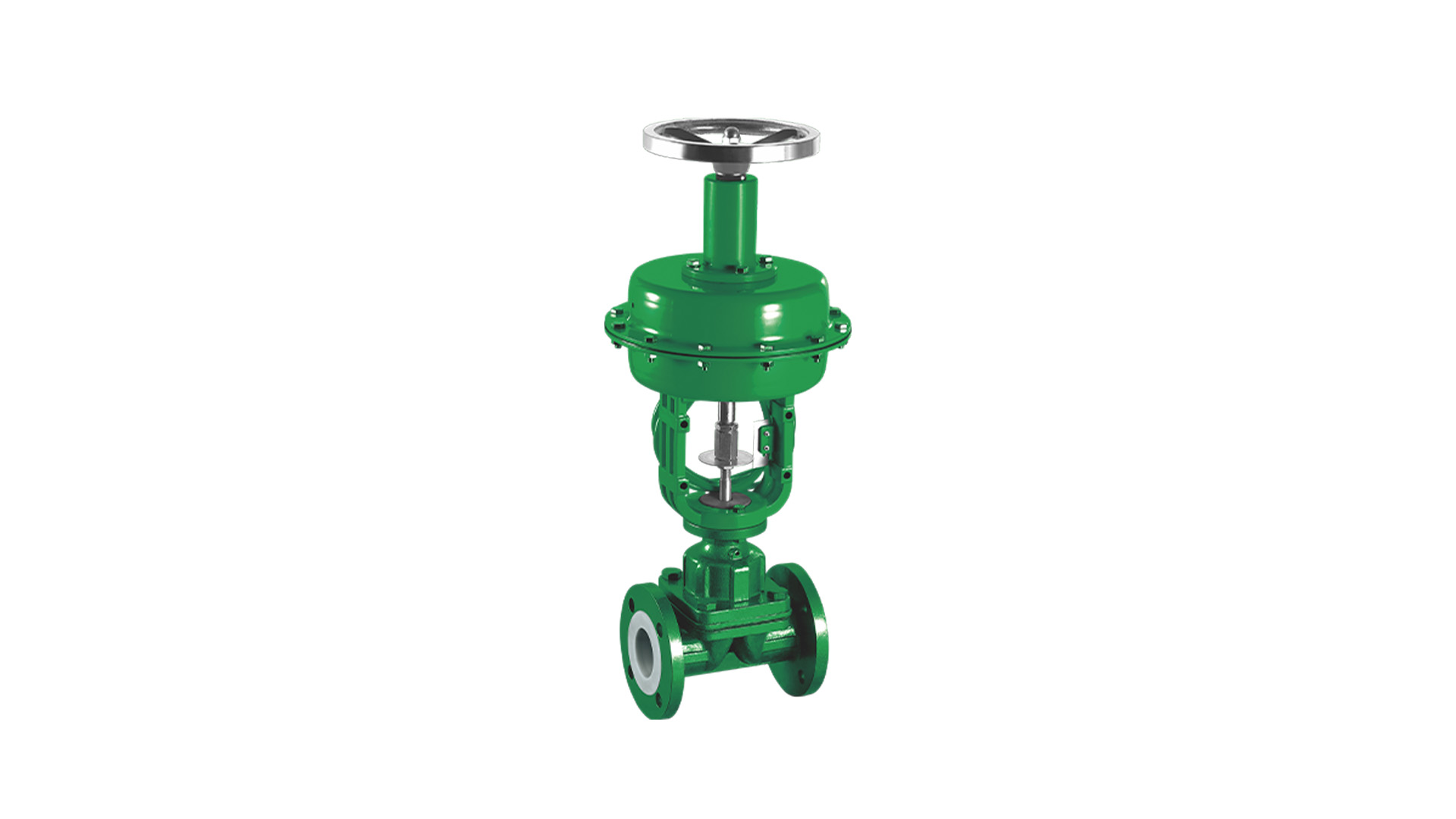
Diaphragm Control Valve: A Precision Tool for Industrial Automation Control
The diaphragm control valve is a control device that drives valve opening, closing, or regulation through a diaphragm actuator, widely used in industrial automation control systems. The following is an introduction to its structure and working principle:
I. Main Structure of Diaphragm Control Valve
1. Actuator Section
Diaphragm Plate: Typically made of rubber, plastic, or metal, used to sense changes in air pressure or hydraulic pressure.
Spring: Provides the initial return force, ensuring the valve returns to its initial position under no-signal conditions.
Push Rod: Converts the displacement of the diaphragm plate into linear motion of the valve stem.
Air Chamber: Divided into upper and lower sections, controlling the movement of the diaphragm plate through gas pressure regulation.
2. Valve Body Section
Valve Core (Plug) and Valve Seat: Key components for regulating medium flow.
Valve Stem: Connects the actuator and the valve core, enabling the movement of the valve core.
Seals: Ensure no leakage during valve operation.
Bonnet: Protects the valve stem and other components.
II. Working Principle
1. Pneumatic Diaphragm Control Valve
When the control system sends a signal, the signal pressure enters one side of the air chamber through the pipeline. The pressure change within the air chamber pushes the diaphragm plate to move, which in turn drives the valve stem through the push rod. The movement of the valve stem moves the valve core closer to or farther from the valve seat, thereby regulating the medium flow. The return spring adjusts the return position of the push rod based on changes in signal pressure to achieve precise control.
2. Hydraulic Diaphragm Control Valve
The working principle is similar to that of the pneumatic type, but the actuator drives the diaphragm plate through hydraulic pressure. It is suitable for applications requiring greater driving force.
Same category, fresh insights